 Francais
 Quote
Quote  Cart
Cart 
Antistatic Medical Shoes (ESD)
8435607201703 30/05/2024 2557

8435420462961 11/06/2024 3145
3661040100104 31/01/2024 1311
3661040100050 31/01/2024 3658
3661040100067 31/01/2024 1384
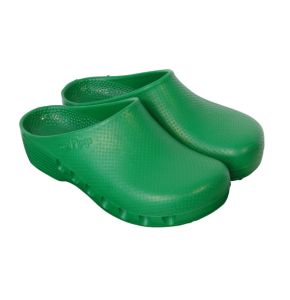
3661040100098 31/01/2024 1357
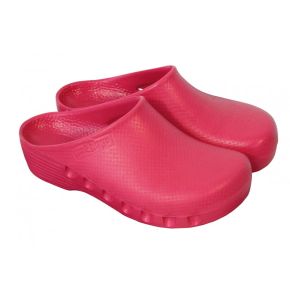
3661040100074 31/01/2024 1339
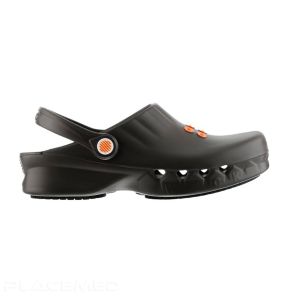
21/01/2025 1392
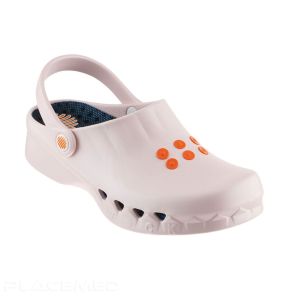
21/01/2025 1722
21/01/2025 1354
8435100216365 12/04/2024 2578
8435420440389 24/04/2024 1306

8435420463067 24/04/2024 1311
8435420440860 24/04/2024 1041
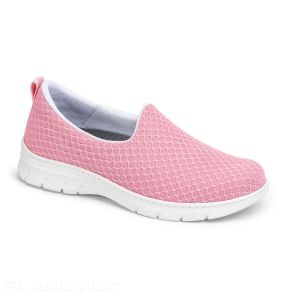
8435420440747 24/04/2024 1156
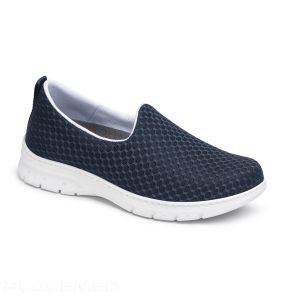
8435420440990 24/04/2024 1180
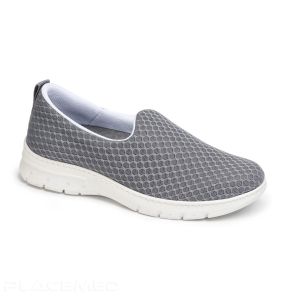
8435420441119 24/04/2024 1272
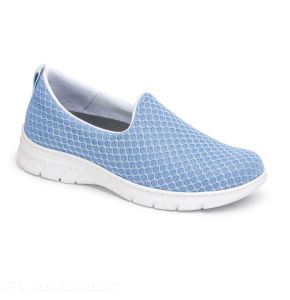
8435420440624 24/04/2024 1225
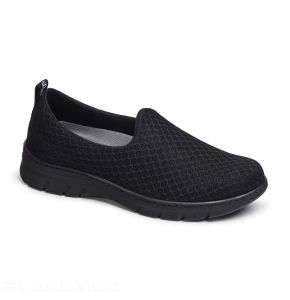
8435420440501 24/04/2024 5079
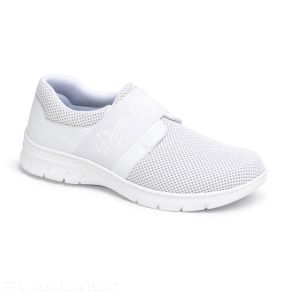
8435420444233 23/04/2024 1263
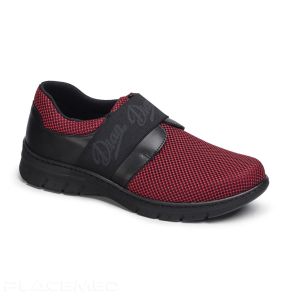
8435420444479 23/04/2024 1181
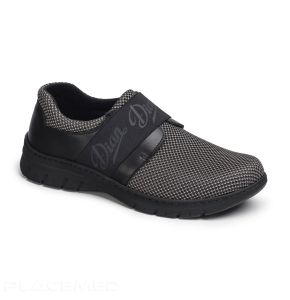
8435420444592 23/04/2024 1006
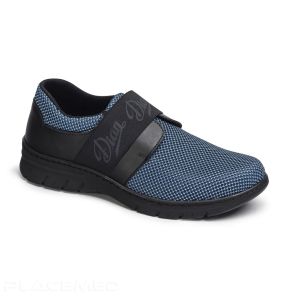
8435420444714 23/04/2024 942
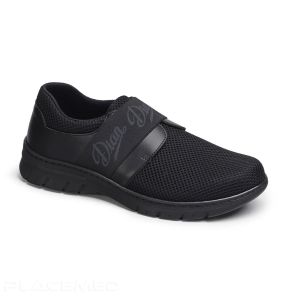
8435420444356 23/04/2024 2688
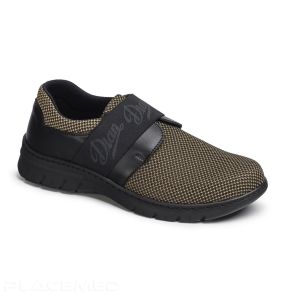
8435420443489 23/04/2024 1663
Antistatic (ESD) Shoes: The Essential Protection for Your Sensitive Equipment
In a medical environment where technology is ubiquitous, controlling electrostatic discharges (ESD) has become a major issue. A simple antistatic shoe is sometimes no longer enough. The ESD shoe is an active protection, designed to preserve your expensive electronic equipment and ensure the reliability of diagnostics and surgical interventions.
How Does an Antistatic Shoe Work?
The principle is simple but essential. The human body naturally accumulates static electricity through friction. A standard shoe, with its insulating sole, traps this charge. Upon contact with an object, an electrostatic discharge occurs. An ESD (ElectroStatic Dissipative) shoe is different: it incorporates conductive materials (like carbon threads) into its sole that form a bridge. These dissipative shoes allow the accumulation of charges to flow continuously and controllably to a conductive floor, thus neutralizing any risk of a sudden discharge.
ESD vs. Antistatic Standard: What's the Difference?
It is crucial not to confuse the terms "antistatic" and "ESD," as they do not guarantee the same level of protection.
- Antistatic (A): This is a basic requirement of the EN ISO 20347 standard for professional footwear. It prevents excessive charge accumulation, but its electrical resistance range is wide.
- ESD (EN 61340 Standard): This is a much stricter standard. It requires the shoe to have a very precise electrical resistance range (between 0.1 and 100 MegaOhms). It is this precision that ensures reliable protection for the most sensitive electronic components.
For critical areas, only an ESD-certified shoe offers the required safety.
In Which Departments and for Which Professions Are They Essential?
Wearing an antistatic shoe with ESD certification is essential in all environments where a discharge could damage devices or disrupt measurements. This mainly includes:
- Operating rooms to protect monitors, electric scalpels, and other surgical devices.
- Intensive care units and recovery rooms.
- Analysis laboratories and cleanrooms.
- Medical imaging centers (radiology, MRI).
The most affected professions are therefore surgeons, anesthetists, laboratory technicians, and radiology technicians.