 Francais
 Quote
Quote  Cart
Cart 
Non-Slip Medical Shoes
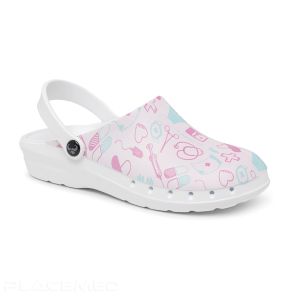
8435607226263 05/06/2024 1217
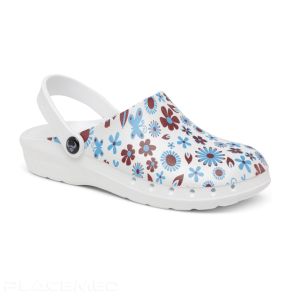
8435607226836 05/06/2024 1423
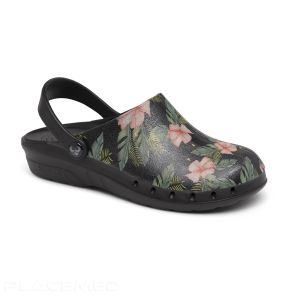
8435607226508 05/06/2024 1309
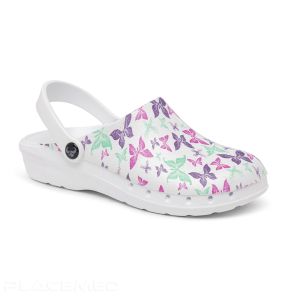
8435607226195 05/06/2024 3794
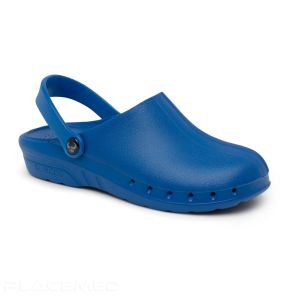
8435607221053 05/06/2024 1516
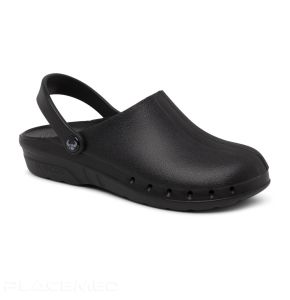
8435607220957 05/06/2024 3494
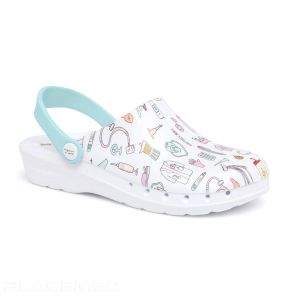
8435607226324 05/06/2024 3932
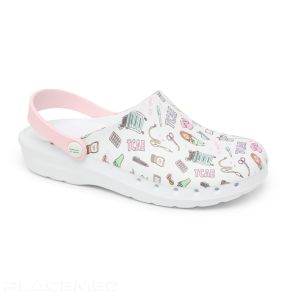
8435607226928 05/06/2024 1344
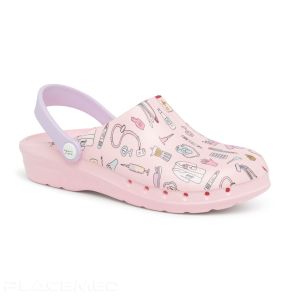
8435607226256 05/06/2024 1477
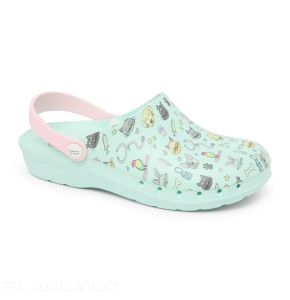
8435607226843 05/06/2024 1548
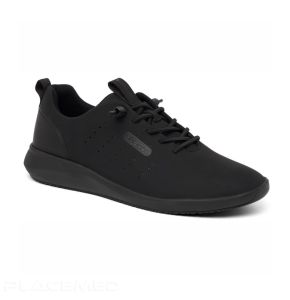
8435607216448 07/06/2024 3098
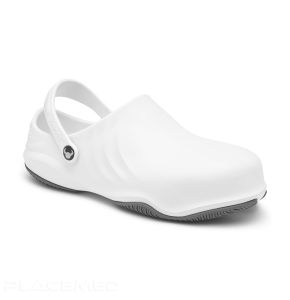
8436532895395 06/06/2024 1286
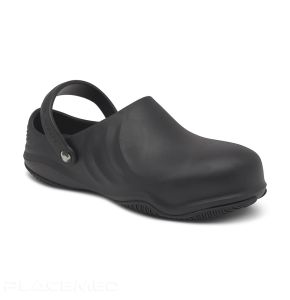
8436532892998 06/06/2024 3147
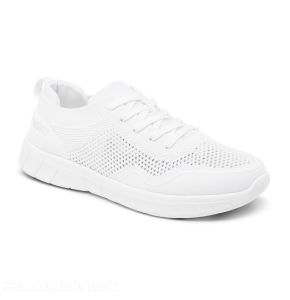
8435607204247 30/05/2024 1473
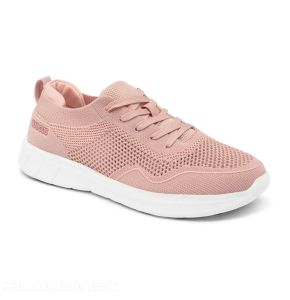
8435607204315 30/05/2024 1336
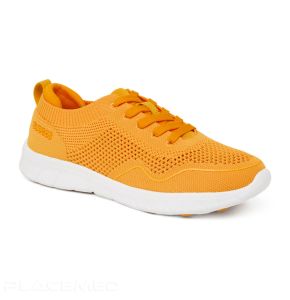
8435607216349 30/05/2024 2035
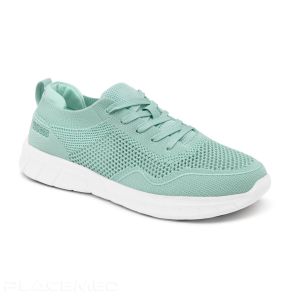
8435607212518 30/05/2024 2401
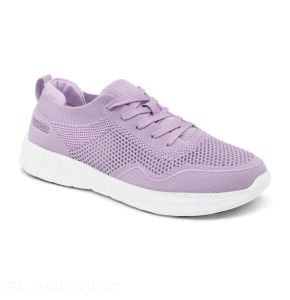
8435607212570 30/05/2024 1747
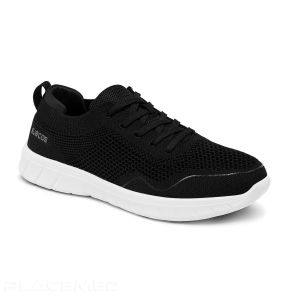
8435607204131 03/10/2024 2417
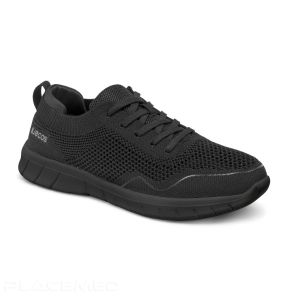
8435607212150 30/05/2024 1174
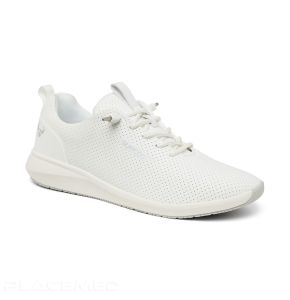
Suecos Klar Sneakers - Excellent Ventilation - Non-Slip Rubber Sole - Professional Work Shoes
8435607216554 07/06/2024 2871
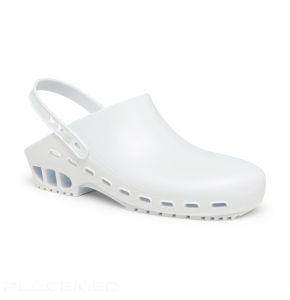
8435607210453 06/06/2024 3867
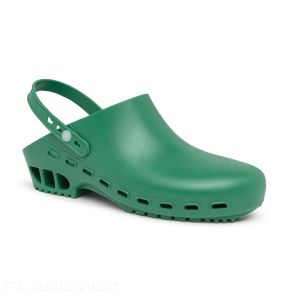
8435607210521 06/06/2024 1218
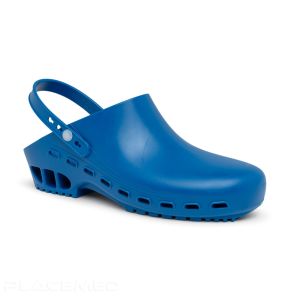
8435607210385 06/06/2024 1458
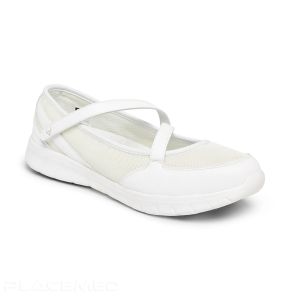
8436532883996 07/06/2024 2617
Non-Slip Shoes: Walk with Confidence on All Floors
Safety at work starts with the feet. In a healthcare setting, slipping is one of the most frequent accidents, which can have serious consequences. Wearing non-slip shoes is not an option; it's your professional life insurance. It allows you to move with confidence and serenity, even on the most slippery floors.
Decoding the SRC Standard: The Highest Level of Safety
Not all non-slip shoes are created equal. The only guarantee of performance is the European standard EN ISO 20347, and its highest level of certification: SRC. To obtain it, a shoe must pass two drastic tests:
- SRA Test: The non-slip sole is tested on a wet ceramic floor, covered with water and detergent.
- SRB Test: The same sole is then tested on a smooth steel floor, made slippery with glycerin (a greasy substance).
A shoe certified SRC has successfully passed both tests. This is the absolute guarantee of maximum grip, protecting you in the worst conditions you might encounter.
Technology at the Heart of the Sole: Design and Materials
The effectiveness of a non-slip shoe is not magic; it's technological. It relies on the intelligent design of its outsoles. The design incorporates micro-lugs and wide, deep grooves, designed to instantly evacuate liquids from under the foot and thus increase the contact surface with the ground. Materials also play a crucial role: specific rubber or PU blends are used for their very high friction coefficient, offering superior "grip" on all surfaces.
Essential in Which Departments? Identifying At-Risk Areas
Wearing non-slip shoes is vital in many at-risk areas. These non-slip work shoes are essential if you work in the following departments:
- In the hospital: Emergency services, kitchens, laundries, operating rooms, and all departments where floors are frequently cleaned.
- In nursing homes: Near shower areas, in bathrooms, and in hallways during bio-cleaning.
- Other places: Laboratories, collective catering, food industries...
Whether you are looking for a non-slip sneaker or safety clogs, evaluating your environment is the first step in choosing the right protection.