 Francais

 Quote
 Cart

Non-Slip Medical Shoes
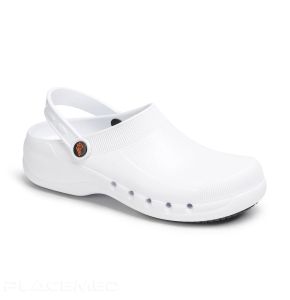
8435088189606 19/04/2024 1453

8435420420015 19/04/2024 2979
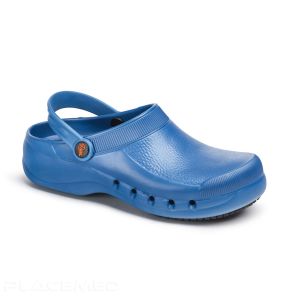
8435420415073 19/04/2024 1601
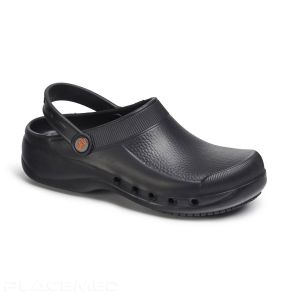
8435088189743 19/04/2024 1320
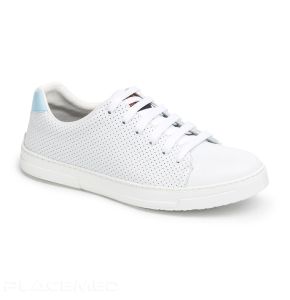
8435420436610 24/04/2024 3263
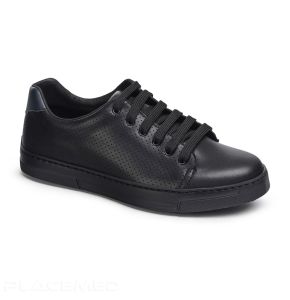
8435420436740 24/04/2024 1364
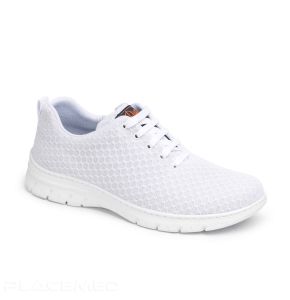
Dian Calpe Work Shoe - White
8435420422330 19/04/2024 1383
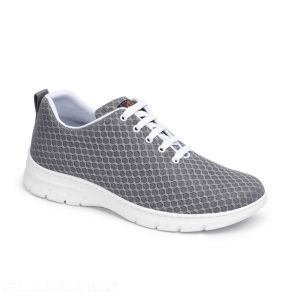
Dian Calpe Work Shoe - Gray
8435420422699 19/04/2024 1398
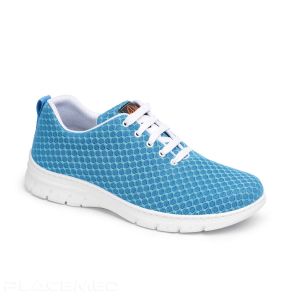
Dian Calpe Work Shoe - Cyan
8435420422934 19/04/2024 1201
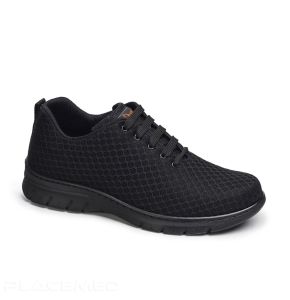
Dian Calpe Work Shoe - Black
8435420422453 19/04/2024 6892
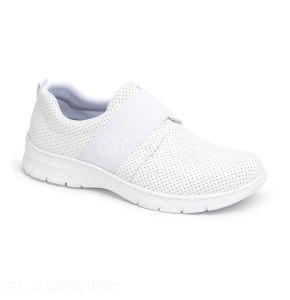
8435420444110 23/04/2024 2578
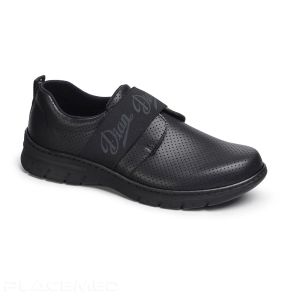
8435420443991 23/04/2024 1362
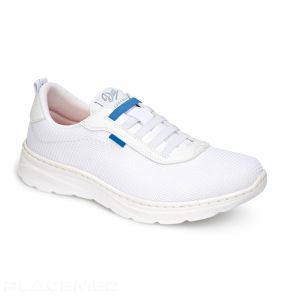
8435420464231 29/04/2024 3061
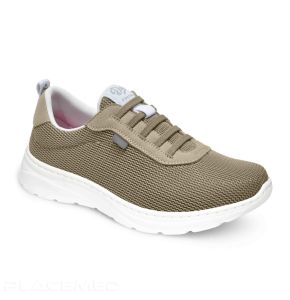
8435420469021 29/04/2024 1226
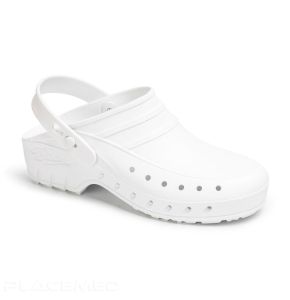
8435088141260 20/04/2024 2889
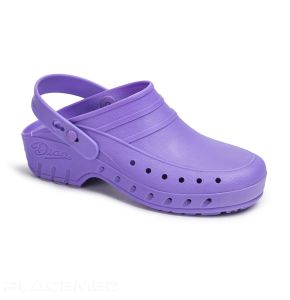
8435088141666 20/04/2024 1805
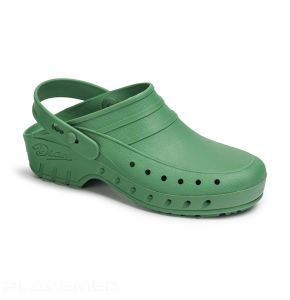
8435088141215 20/04/2024 1470
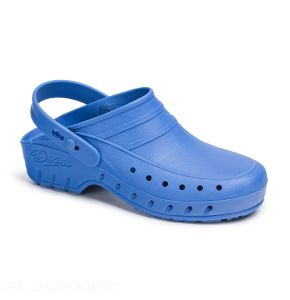
8435088141284 20/04/2024 1514
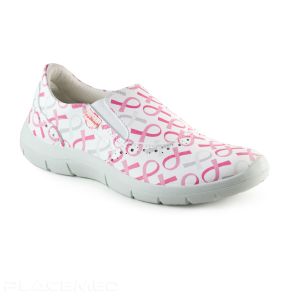
8435100215559 24/02/2025 2812
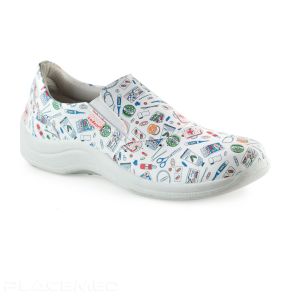
8435100215559 12/04/2024 2714
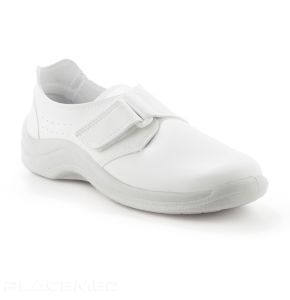
8435100207189 12/04/2024 1505
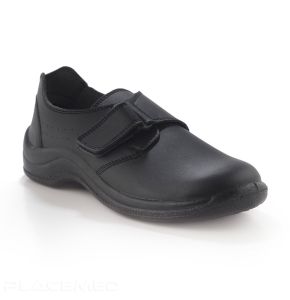
8435100211896 12/04/2024 2914
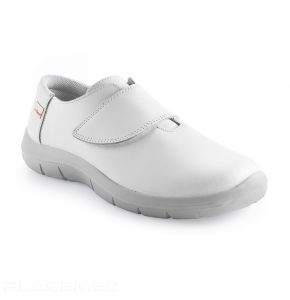
Codeor Sumo Leather Shoe - White
8435100214897 12/04/2024 5248
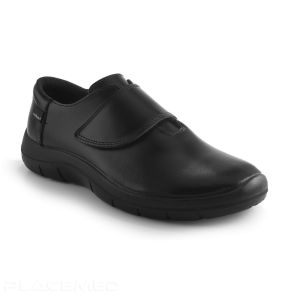
8435100215023 12/04/2024 1441
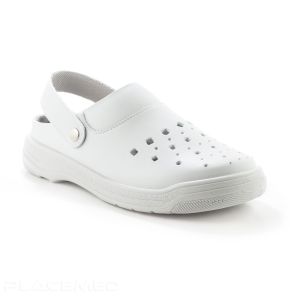
8435100208063 12/04/2024 2725
Non-Slip Shoes: Walk with Confidence on All Floors
Safety at work starts with the feet. In a healthcare setting, slipping is one of the most frequent accidents, which can have serious consequences. Wearing non-slip shoes is not an option; it's your professional life insurance. It allows you to move with confidence and serenity, even on the most slippery floors.
Decoding the SRC Standard: The Highest Level of Safety
Not all non-slip shoes are created equal. The only guarantee of performance is the European standard EN ISO 20347, and its highest level of certification: SRC. To obtain it, a shoe must pass two drastic tests:
- SRA Test: The non-slip sole is tested on a wet ceramic floor, covered with water and detergent.
- SRB Test: The same sole is then tested on a smooth steel floor, made slippery with glycerin (a greasy substance).
A shoe certified SRC has successfully passed both tests. This is the absolute guarantee of maximum grip, protecting you in the worst conditions you might encounter.
Technology at the Heart of the Sole: Design and Materials
The effectiveness of a non-slip shoe is not magic; it's technological. It relies on the intelligent design of its outsoles. The design incorporates micro-lugs and wide, deep grooves, designed to instantly evacuate liquids from under the foot and thus increase the contact surface with the ground. Materials also play a crucial role: specific rubber or PU blends are used for their very high friction coefficient, offering superior "grip" on all surfaces.
Essential in Which Departments? Identifying At-Risk Areas
Wearing non-slip shoes is vital in many at-risk areas. These non-slip work shoes are essential if you work in the following departments:
- In the hospital: Emergency services, kitchens, laundries, operating rooms, and all departments where floors are frequently cleaned.
- In nursing homes: Near shower areas, in bathrooms, and in hallways during bio-cleaning.
- Other places: Laboratories, collective catering, food industries...
Whether you are looking for a non-slip sneaker or safety clogs, evaluating your environment is the first step in choosing the right protection.