 Francais
 Quote
Quote  Cart
Cart 
Non-Slip Medical Shoes
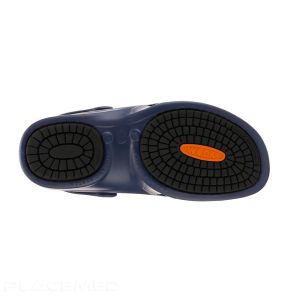
21/01/2025 1334
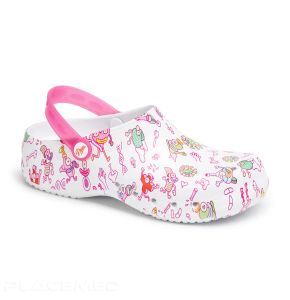
8435420462282 11/06/2024 3414
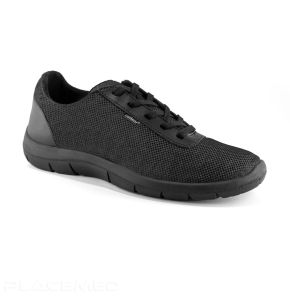
8435100216365 12/04/2024 2551
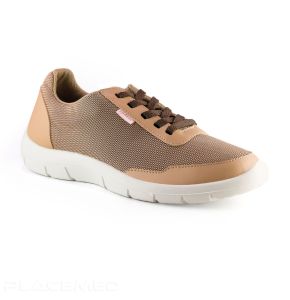
8435100216761 12/04/2024 2256
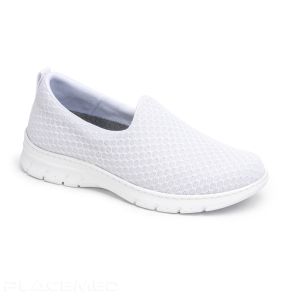
8435420440389 24/04/2024 1272
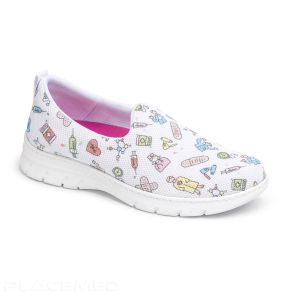
8435420463067 24/04/2024 1279
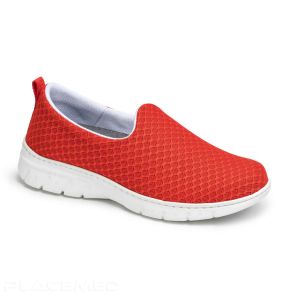
8435420440860 24/04/2024 1012
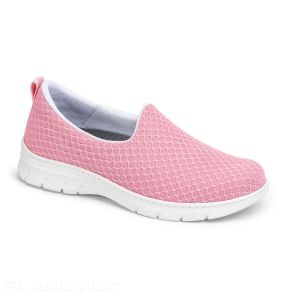
8435420440747 24/04/2024 1123
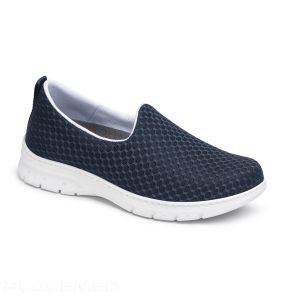
8435420440990 24/04/2024 1152
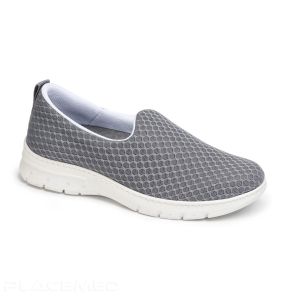
8435420441119 24/04/2024 1246
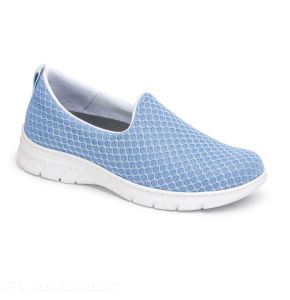
8435420440624 24/04/2024 1204
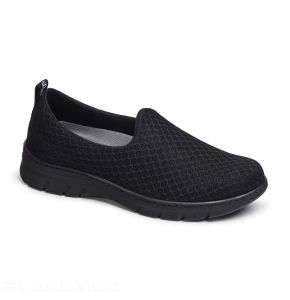
8435420440501 24/04/2024 5043
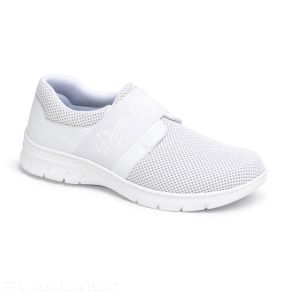
8435420444233 23/04/2024 1235
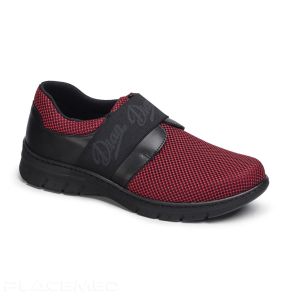
8435420444479 23/04/2024 1161
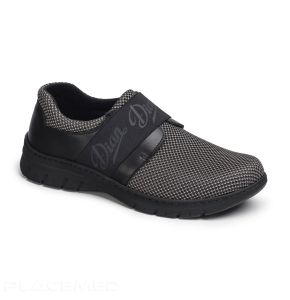
8435420444592 23/04/2024 984
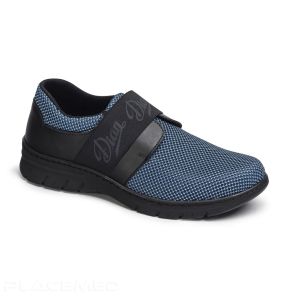
8435420444714 23/04/2024 924
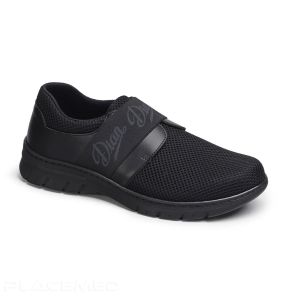
8435420444356 23/04/2024 2654
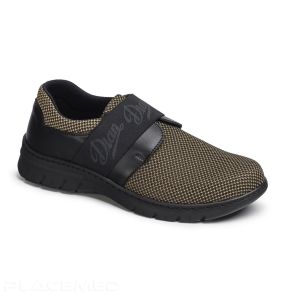
8435420443489 23/04/2024 1636
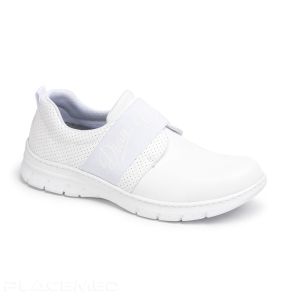
8435420443083 23/04/2024 993
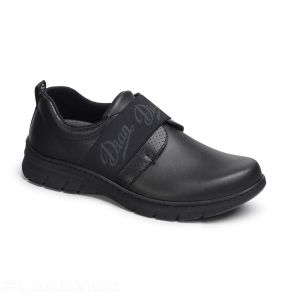
8435420443205 23/04/2024 2567
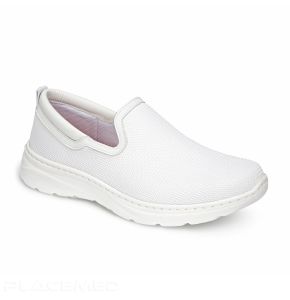
8435420468413 04/05/2024 2577
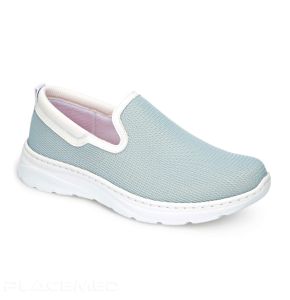
8435420467171 04/05/2024 1154
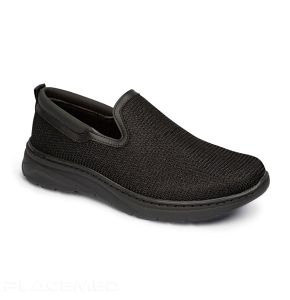
8435420467133 04/05/2024 1087
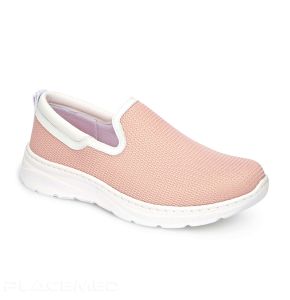
8435420466594 04/05/2024 1124
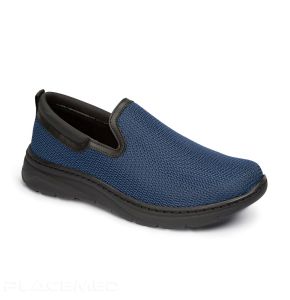
8435420465610 04/05/2024 1249
Non-Slip Shoes: Walk with Confidence on All Floors
Safety at work starts with the feet. In a healthcare setting, slipping is one of the most frequent accidents, which can have serious consequences. Wearing non-slip shoes is not an option; it's your professional life insurance. It allows you to move with confidence and serenity, even on the most slippery floors.
Decoding the SRC Standard: The Highest Level of Safety
Not all non-slip shoes are created equal. The only guarantee of performance is the European standard EN ISO 20347, and its highest level of certification: SRC. To obtain it, a shoe must pass two drastic tests:
- SRA Test: The non-slip sole is tested on a wet ceramic floor, covered with water and detergent.
- SRB Test: The same sole is then tested on a smooth steel floor, made slippery with glycerin (a greasy substance).
A shoe certified SRC has successfully passed both tests. This is the absolute guarantee of maximum grip, protecting you in the worst conditions you might encounter.
Technology at the Heart of the Sole: Design and Materials
The effectiveness of a non-slip shoe is not magic; it's technological. It relies on the intelligent design of its outsoles. The design incorporates micro-lugs and wide, deep grooves, designed to instantly evacuate liquids from under the foot and thus increase the contact surface with the ground. Materials also play a crucial role: specific rubber or PU blends are used for their very high friction coefficient, offering superior "grip" on all surfaces.
Essential in Which Departments? Identifying At-Risk Areas
Wearing non-slip shoes is vital in many at-risk areas. These non-slip work shoes are essential if you work in the following departments:
- In the hospital: Emergency services, kitchens, laundries, operating rooms, and all departments where floors are frequently cleaned.
- In nursing homes: Near shower areas, in bathrooms, and in hallways during bio-cleaning.
- Other places: Laboratories, collective catering, food industries...
Whether you are looking for a non-slip sneaker or safety clogs, evaluating your environment is the first step in choosing the right protection.